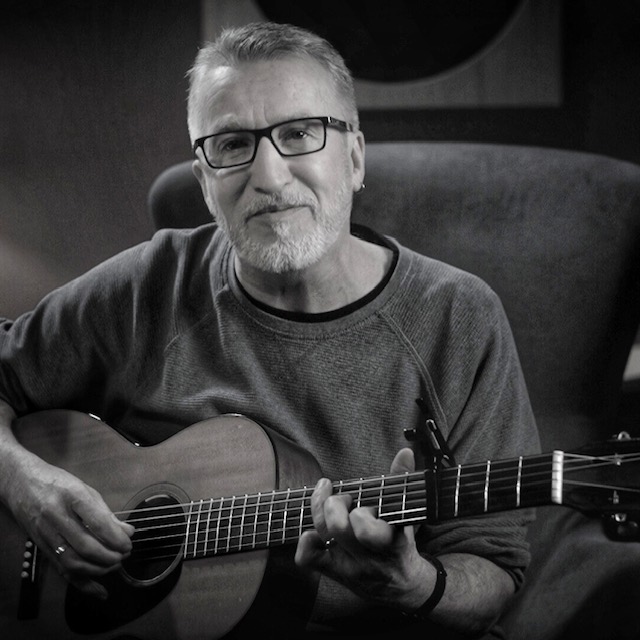
 photo: Steve Bell
Last week, The Winnipeg Free Press contacted five Manitobans (including myself) who have been appointed to the Order of Canada and asked them for their thoughts on the status of Canada-U.S. relations and what it means to be a Canadian today. The article was posted online on August 28th and then appeared in Saturday’s paper, August 29, and can be read in its entirety here: Chin Up, As Well as our Elbows.
The five of us were asked to respond to the same four questions, and to my surprise, the article reprinted our responses in their entirety.
I tried to post the article on social media, but it was blocked due to current restrictions on sharing such content. So, with the blessing of one of the article’s writers, I’m posting my answers to the questions below. The other responders were:
Dr. Judith Barrett:
One of the first Indigenous doctors to graduate from the University of Manitoba and helped establish the Aboriginal Health and Wellness Centre.
Emőke Szathmáry:
A physical anthropologist and president and vice-chancellor of the University of Manitoba from 1996 to 2008.
Ed Schreyer:
Premier of Manitoba from 1969 to 1977 and governor general of Canada from 1979 to 1984.
Art DeFehr:
A businessman and humanitarian whose travels have taken him to more than 140 countries.
And here, for what they’re worth, are my responses:
FREE PRESS: ‘CHIN UP, AS WELL AS ELBOWS OUT’
What does it mean to be Canadian right now?
Let me first acknowledge that I am a 65-year-old, straight, white male who has lived his whole life with unmerited privilege, which certainly colours my experience.
But to answer your question: I think Canadians generally think more collectively than individually — we think of ourselves more as a ‘we’ than a ‘me.’
Metaphorically, we could be thought of as a single, festive parade of multi-coloured, diverse floats, rather than a string of billboards along a highway advertising competing interests.
The dismissive and degrading postures and policies of the American government towards Canada are currently, I think, bringing out the best in us. To build something positive out of this negative would be such a ‘Canadian’ thing to do.
How worried are you about Canada’s future?
I’m not terribly worried yet. However, if Americans don’t use the midterms to decisively rein in the current administration, we could all be facing much greater challenges.
Regarding Canada’s future, I am far more concerned about the global climate crisis than I am about the petty tyrannies of a flailing and failing political entity.
What is your message to fellow Canadians at this moment?
Let’s do our best to attend to, and take care of, each other.
Let’s also be vigilant to resist using totalizing language that demonizes people groups on either side of the 49th parallel.
And let’s use our pocketbooks to vote — not to punish or retaliate, but to vote.
Is there anything you would like to add at this historic juncture?
It would be the easiest — and laziest — thing in the world to identify ourselves by what we are not rather than by what we are. We have our own sins to acknowledge and amend.
This is an opportune moment to double down on our own efforts to grow toward what John Ralston Saul calls ‘A Fair Country.’ And here, the double meaning of the word ‘fair’ is significant: beautiful and just.
_________________________________
See: John Ralston Saul, A Fair Country: Telling Truths about Canada (Penguin Canada, 2009)